This is the 29th Day course in a series of 60-Days called “Technical Analysis Training”
You will get daily one series of this Training after 8 o’clock night (Dinner Finished)
Follow MoneyMunch.com Technical Analysis Directory and Learn Basic Education of Technical Analysis on the Indian Stock Market (NSE/BSE)

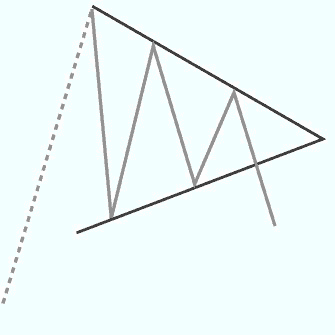
Diamond Top Chart Pattern
Implication
A Diamond Top is considered a bearish signal, indicating a possible reversal of the current uptrend to a new downtrend.
Description
Diamond patterns normally form over several months in very active markets. Volume remains high during the formation of this design. The Diamond Top indicates a reversal to a downtrend.
The Diamond Top pattern occurs because prices create higher highs and lower lows in a broadening design. Then the trading range gradually narrows after the highs peak and the lows start trending upward. The technical event occurs when prices break downward out of the diamond formation
Trading Considerations
Duration of Pattern
Consider the duration of the pattern and its relationship to your trading time horizons. The duration of the pattern is considered to be an indicator of the duration of the influence of this pattern. The longer the pattern the longer it will take for the price to move to its target. The shorter the pattern the sooner the price move. If you are considering a short-term trading opportunity, look for a pattern with a short duration. If you are considering a longer-term trading opportunity, look for a pattern with a longer duration.
Target Price
The target price provides an important indication about the potential price move that this pattern indicates. Consider whether the target price for this pattern is sufficient to provide adequate returns after your costs (such as commissions) have been taken into account. A good rule of thumb is that the target price must indicate a potential return of greater than 5% before a pattern should be considered useful. However you must consider the current price and the volume of shares you intend to trade. Also, check that the target price has not already been achieved.
Inbound Trend
The inbound trend is an important characteristic of the pattern. A shallow inbound trend may indicate a period of consolidation before the price move indicated by the pattern begins. Look for an inbound trend that is longer than the duration of the pattern. A good rule of thumb is that the inbound trend should be at least 2 times the duration of the pattern.
Criteria that Supports
Support and Resistance
Support can be found at the turning point of the lows and resistance at the top peak of the Diamond.
Moving Average
Watch for the 200-day Moving Average to flatten out. Then watch for the 50-day Moving Average to cross below the 200-day Moving Average. This should signal the breakout.
Criteria that Refutes
No Volume
A lack of a volume throughout the pattern is an indication that this pattern may not be reliable.
Short Inbound Trend
An inbound trend that is significantly shorter than the pattern duration is an indication that this pattern should be considered less reliable.
Wishing you a wonderful learning experience and the continued desire to grow your knowledge. Education is an essential part of living wisely and the Experiences of life, I hope you make it fun.
Learning how to profit in the Stock Market requires time and unfortunately mistakes which are called losses. Why not be profitable while you are learning?

Respected Readers, do you remember date: Sep 09, 2013? I was updated about Gold & Silver – Long term direction? Click here to read Sep 09 Newsletter: https://moneymunch.com/weekly-outlook-of-mcx-gold-and-silver-cardamom-update/ What I said, “New support 31,432 level. If close below my support then without any question, Gold will go down 31,226 – 31,122 – 30,916 below. My Gold all targets completed in that week!
On SEP 09 newsletter, I had also written about Silver. “MCX Silver is very clear. If it closes below 52,431 level then it will downside 50,356 – 48,621 – 46,885 – 45,509” Yesterday, silver just missed few points to touch our second target. Now, I am expecting many more from MCX Silver. Big boom is near![
Today, I am expecting …MCX Mentha oil & Cotton will go downside! (SELL) I will update further information for Subscribers only!
To become a subscriber, subscribe to our free newsletter services. Our service is free for all.
This is the 33th Day course in a series of 60-Days called “Technical Analysis Training”
You will get daily one series of this Training after8 o’clock night (Dinner Finished)
Follow MoneyMunch.com Technical Analysis Directory and Learn Basic Education of Technical Analysis on the Indian Stock Market (NSE/BSE)
Head and Shoulders Top Chart Pattern
Implication
A Head and Shoulders Top is regarded a bearish signal. It suggests a feasible reversal of the present uptrend to a new downtrend.
Description
The Head and Shoulders Top is an very well-known pattern one of investors because it’s one of the most dependable of all structures. It also looks to be an simple one to place. Beginner investors usually generate the error of viewing Head and Shoulders anywhere. Experienced technical analysts will notify you that it is tough to identify the genuine situations.
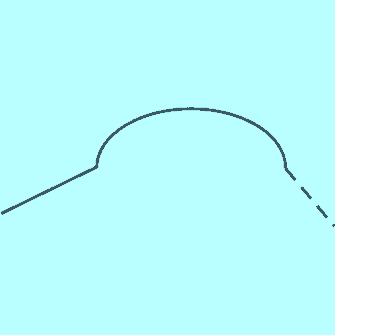
The classic Head and Shoulders Top appearance like a human head with shoulders on both side of the head. A best sample of the pattern has three crisp high points, developed by three effective rallies in the price of the economic application.
The first point – the left shoulder – happens as the price of the economic application in a increasing market occurs a high and then drops back. The second point – the head – occurs when prices increase to an still higher high and then fall back again. The third point – the right shoulder – occurs when prices rise once again but don’t hit the high of the head. Prices then fall back again once they have hit the high of the right shoulder. The shoulders are definitely lower than the head and, in a classic formation, are often approximately match to one different.
A key factor of the pattern is the neckline. The neckline is developed by attracting a line linking two low price points of the formation. The first low point happens at the end of the left shoulder and the starting of the uptrend to the head. The second represents the end of the head and the starting of the upturn to the right shoulder. The neckline can be horizontal or it can pitch up or down. The pattern is finish whenever the support supplied by the neckline is “broken.” This happens when the price of the economic device, dropping from the high point of the right shoulder, moves here the neckline. Technical analysts will usually say that the pattern is not verified until the price closes below the neckline – it is not sufficient for it to trade below the neckline.
There are various differences, many of that are explained here and can be just as legal as the classic development. Another factors – such as volume and the excellence of the breakout – should be regarded in association with the pattern itself
Variations of a Head and Shoulders Top
Following are some variations of the Head and Shoulder pattern that may occur.
The Drooping Shoulder
The sagging shoulder, where the neckline has a downward incline, is highly uncommon and displays overwhelming weak spot. The droop occurs because the price at the end of the head and the starting of the right shoulder has fell even lower than the previous low at the end of the left shoulder and the starting of the head. Most experts consent that a downward incline has bearish effects for market weak spot. When the right shoulder is drooping, the trader will have to wait longer than usual for a important neck break. It should also be recognized that when that important break does occur a lot of the move will have currently occurred.
Varying Width of Shoulders
The classic Head and Shoulders Top is symmetrical. However, if the shoulders don’t match in width, don’t discount the pattern.
Flat Shoulders
While the classic Head and Shoulders Top is made up of three sharp upward points, these need not be present for the pattern to be valid. Sometimes, shoulders can be rounded.
Multiple Head and Shoulders Patterns
Many valid Head and Shoulders patterns are not as well defined as the classical head with a shoulder on either side. It is not uncommon to see more than two shoulders and more than one head. A common version of a multiple Head and Shoulders pattern includes two left shoulders of more or less equal size, one head, and then two right shoulders that mimic the size and shape of the left shoulders.
Volume
Volume is extremely important for this pattern.
For a Head and Shoulders Top the volume pattern is as follows.
Volume is greatest when the left shoulder is creating. In reality, volume is frequently increasing as the uptrend goes on and additional and more buyers need to get in.
Volume is lowest on the right shoulder as investors notice a reversal occurring. Specialists say low volume stages on the right shoulder are a powerful mark of a reversal.
In the head part of the price pattern, volume falls someplace around the energy of the left shoulder and weakness of the right shoulder. Volume often grows when the neckline is broken as the reversal is now finish and downside force starts in serious. One of the key attributes seemed for in a Head and Shoulders Top by experienced Technical Analysts is too much high volume on the breakout.
Even though volume is significant, experts inform us not really to get found up in the exact number of shares getting traded. What is more significant are modifications in the rate of trading.
Important Characteristics
Following are important characteristics for this pattern.
Symmetry
The right and left shoulders peak at about the similar price level. In inclusion, the shoulders are often regarding the exact same length from the head. In another words, there should be about the exact same quantity of time amongst the improvement of the top of the left shoulder and the head as between the head and the top of the right shoulder. In the proper world, the formation will rarely be flawlessly symmetrical. Often one shoulder will be higher than the other or take more time to build.
Volume
Volume is highest on the left shoulder, lowest on the right shoulder and somewhere in between on the head.
Duration of the Pattern
Many experts mention that an typical pattern offers at least three months from beginning to the breakout point when the neckline is broken. It is not unusual, still, for a pattern to last up to six months. The period of the pattern is often called the “width” or “length” of the pattern.
Need for an Uptrend
This is a reversal pattern which marks the transition from an uptrend in prices to a downtrend. This means that the pattern always begins during an uptrend of prices.
Slope of the Neckline
The neckline can mountain up or down. An upward sloping neckline is regarded as to be additional bullish than a downward sloping one, which suggests a weaker position with additional extreme price declines. It is rather uncommon to have a downward sloping neckline for this pattern.
Trading Considerations
Duration of the Pattern
Think about the period of the design and its connection to your trading time horizons. The duration of the pattern is regarded to be an signal of the duration of the impact of this pattern. The longer the pattern the longer it will bring for the price to move to the target price. The shorter the pattern the earlier the price move. If you are thinking about a short-term trading possibility, appearance for a pattern with a short duration. If you are looking at a longer-term trading possibility, look for a pattern with a longer duration.
Target Price
The target price produces an significant indicator regarding the potential price go that this pattern suggests. Think about whether the target price for this pattern is enough to offer adequate rewards after your costs (such as income) have been done into account. A right rule of thumb is that the target price must show a potential return of greater than 5% before a pattern is considered useful. However you must consider the latest price and the volume of shares you plan to trade. Also, check that the target price has not already been attained.
Inbound Trend
The inbound trend is an significant attribute of the pattern. A superficial inbound trend might suggest a period of combination prior to the price move suggested by the pattern starts. Appearance for an inbound trend that is longer then the period of the pattern. A good rule of thumb is that the inbound trend should be at least two times the period of the pattern.
Criteria that Supports
Support and Resistance
Search for a location of support or resistance about the target price. A location of price combination or a powerful Support and Resistance Line at or around the target cost is a powerful signal that the price will go to that point.
Location of Moving Average
The Head and Shoulders Top should be above the Moving Average. Contrast the place of the pattern to a Moving Average of proper length. For short duration patterns use a 50 day Moving Average, for longer patterns use a 200 day Moving Average.
Moving Average Trend
The Moving Average must change way inside the period of the pattern and should head in the way suggested by the pattern. Search at the direction of the Moving Average Trend. For short period patterns use a 50 day Moving Average, for longer patterns use a 200 day Moving Average.
Volume
Volume is highest when the left shoulder is forming.
Volume is lowest on the right shoulder.
In the head part of the price pattern, volume drops anywhere between the energy of the left shoulder and weak spot of the right shoulder.
A powerful volume spike on the day of the pattern verification is a intense indicator in support of the possible for this pattern. The volume spike should be considerably preceding the average of the volume for the duration of the pattern.
Other Patterns
Another reversal patterns (such as Bullish and Bearish Engulfing Lines and Islands) that happen at the peaks and valleys suggest intense resistance at those points. The existence of these patterns within a Head and Shoulders is a strong indicator in support of this pattern.
Criteria that Refutes
No Volume Spike on Confirmation
The absence of a volume spike on the day of the pattern verification is an indicator that this method may not be reputable. In improvement, if the volume has stayed frequent, or was increasing, over the duration of the pattern, then this pattern should be regarded less dependable.
Location of Moving Average
If the Head and Shoulders Top is below the Moving Average then this pattern should be considered less reliable. Compare the location of the pattern to a Moving Average of appropriate length. For short duration patterns use a 50 day Moving Average, for longer patterns use a 200 day Moving Average.
Moving Average Trend
A Moving Average that is trending in the reverse way to that suggested by the pattern is an signal that this pattern is less dependable. Appearance at the way of the Moving Average Trend. For short period patterns use a 50 day Moving Average, for longer patterns use a 200 day Moving Average.
Inbound Trend
An inbound trend that is significantly shorter than the pattern duration is an indication that this pattern should be considered less reliable.
Message for you(Trader/Investor): Google has the answers to most all of your questions, after exploring Google if you still have thoughts or questions my Email is open 24/7. Each week you will receive your Course Materials. You can print it and highlight for your Technical Analysis Training.
Wishing you a wonderful learning experience and the continued desire to grow your knowledge. Education is an essential part of living wisely and the Experiences of life, I hope you make it fun.
Learning how to profit in the Stock Market requires time and unfortunately mistakes which are called losses. Why not be profitable while you are learning?
This is the 28th Day course in a series of 60-Days called “Technical Analysis Training”
You will get daily one series of this Training after 8 o’clock night (Dinner Finished)
Follow MoneyMunch.com Technical Analysis Directory and Learn Basic Education of Technical Analysis on the Indian Stock Market (NSE/BSE)
Descending Continuation Triangle Chart Pattern
Implication
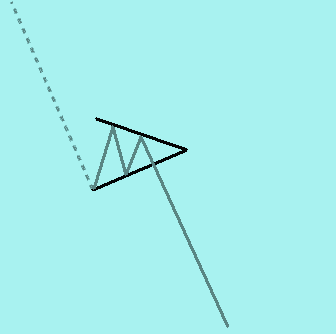
A Descending Continuation Triangle is regarded a bearish signal, suggesting that the present downtrend might continue.
Description
A Descending Continuation Triangle features two converging trend lines. The bottom trend line is side to side and the top trend line mountains downward. The design shows lows happening at a frequent rate stage, with highs moving continually lower. The pattern indicates two highs pressing the upper trend line and two lows touching the lower trend line.
This pattern is confirmed whenever the price breaks out of the triangle constitution to close further down the lower trend line.
Amount is an significant factor to consider. Typically, volume follows a reliable pattern: volume should diminish as the price swings back and forth between an progressively narrow range of highs and lows. Then again, when breakout occurs, there should be a noticeable increase in volume. If this volume image is not clear, investors should be cautious about decisions made dependent on this design.
Important Characteristics
Following are important characteristics about this pattern.
Occurrence of a Breakout
Technical analysts purchase close awareness to how long the Triangle requires to determine to its apex. The basic rule is that prices should break out – certainly penetrate the lower trend line – somewhere amongst three-quarters and two-thirds of the horizontally width of the creation. The break out, in other words, should happen well before the pattern achieves the apex of the Triangle. The closer the breakout happens to the apex the less trustworthy the design.
Duration of the Triangle
The Triangle is a comparatively short-term pattern. This might consume from one to three months to form.
Shape of Descending Triangle
The horizontal bottom trend line require not be perfectly horizontal.
Volume
Investors must view volume decreasing as the pattern progresses toward the apex of the Triangle. At breakout, however, here must be a significant increase in volume.
Trading Considerations
Duration of Pattern
Think about the duration of the pattern and its interconnection to your trading time intelect. The period of the design is considered to be an signal of the duration of the effect of this pattern. The longer the pattern the longer it will consume for the price to accomplish its target. The small the pattern the faster the price changes. In case you are thinking about a short-term trading possibility, browse for a pattern with a short period. If you are considering a longer-term trading opportunity, look for a pattern with a longer duration.
Target Price
The concentrate on volume produces an essential indication about the prospective price move that this pattern shows. Choose whether the target price for this pattern is enough to provide adequate returns after your costs (like as profits) have been taken into fund. A ideal rule of thumb is that the target price must indicate a potential return of greater than 5% before a pattern should be thought to be helpful. However you must consider the current amount and the volume of shares you intend to trade. Also, confirm that the target price has not at the moment been reached.
Inbound Trend
The inbound trend is an important characteristic of the pattern. A shallow inbound trend may indicate a period of consolidation before the price move indicated by the pattern begins. Look for an inbound trend that is longer than the duration of the pattern. A good rule of thumb is that the inbound trend should be at least 2 times the duration of the pattern.
Criteria that Supports
Look for a region of support at the bottom trend line and a line of resistance at the highest high of the Triangle.
Moving Average
Compare prices to the 200 day Moving Average. When prices are close to or touch the 200 day Moving Average this alert is considered stronger.
Volume
A strong volume increase on the day of the pattern confirmation is a strong indicator in support of the potential for this pattern. The volume spike should be significantly above the average of the volume for the duration of the pattern. In addition, the volume during the duration of the pattern should be declining on average.
Criteria that Refutes
No Volume Spike on Breakout
The lack of a volume spike on the day of the pattern confirmation is an indication that this pattern may not be reliable. In addition, if the volume has remained constant, or was increasing, over the duration of the pattern, then this pattern should be considered less reliable.
Short Inbound Trend
An inbound trend that is significantly shorter than the pattern duration is an indication that this pattern should be considered less reliable.
Underlying Behavior
This pattern with its increasingly higher highs and constant lows indicates that sellers are more aggressive than buyers.
Message for you(Trader/Investor): Google has the answers to most all of your questions, after exploring Google if you still have thoughts or questions my Email is open 24/7. Each week you will receive your Course Materials. You can print it and highlight for your Technical Analysis Training.
Wishing you a wonderful learning experience and the continued desire to grow your knowledge. Education is an essential part of living wisely and the Experiences of life, I hope you make it fun.
Learning how to profit in the Stock Market requires time and unfortunately mistakes which are called losses. Why not be profitable while you are learning?

This is the 27th Day course in a series of 60-Days called “Technical Analysis Training”
You will get daily one series of this Training after 8 o’clock night (Dinner Finished)
Follow MoneyMunch.com Technical Analysis Directory and Learn Basic Education of Technical Analysis on the Indian Stock Market (NSE/BSE)
Continuation Wedge (Bearish) Classic Pattern
Implication
A sequel wedge heel (Bearish) is looked at a bearish notify, recommending that the current downtrend may manage.
Description
A expansion wedge heel (Bearish) is made up of two converging trend lines. The trend lines tend to be aslant upside. Not such as the Triangles anytime the apex is suggested to the ideal, the apex of this layout is biased upwards at an placement. This is because costs edge gradually higher in a converging pattern i.e. there are higher highs and higher lows. A bearish alert occurs whenever prices crack under the lower trend line.
More than the weeks or months that it pattern types the trend might appear upwards but the long-term range is still downward.
Trading Considerations
Pattern Period
Think about the period of the pattern as well as its relationship to your trading time intelect. The period of the design is regarded to be an signal of the duration of the affect of this pattern. The longer the pattern the longer it will accept for the price to go to the focus on. The decreased the pattern the quicker the price go. If you are looking at a short-term trading possibility, see for a pattern with a short period. If you are considering a longer-term trading chance, look for a pattern with a longer range.
Goal Price
The target amount provides an significant indication about the potential amount move that this pattern indicates. Consider whether the target amount for this design is sufficient to provide adequate returns after your costs (such as commissions) have been taken into account. A good rule of thumb is that the target price must suggest a potential return of higher than 5% just before a pattern must be viewed useful. However you must consider the current price and the volume of shares you intend to trade. Also, check that the target price has not already been established.
Criteria that Supports
Volume
Volume should diminish as the pattern forms.
Criteria that Refutes
Moving Average
The penetration of the 200-day Moving Average by the price is a false bull signal.
Rising or Stable Volume
Volume must minimize as the pattern forms. If volume remains the same or will increase this signal is less trustworthy.
Underlying Behavior
In this pattern prices edge steadily higher in a converging pattern i.e. there are higher highs and higher lows indicating that bulls are winning over bears. However, at the breakout point the bears emerge the victors and the price descends.
Message for you(Trader/Investor): Google has the answers to most all of your questions, after exploring Google if you still have thoughts or questions my Email is open 24/7. Each week you will receive your Course Materials. You can print it and highlight for your Technical Analysis Training.
Wishing you a wonderful learning experience and the continued desire to grow your knowledge. Education is an essential part of living wisely and the Experiences of life, I hope you make it fun.
Learning how to profit in the Stock Market requires time and unfortunately mistakes which are called losses. Why not be profitable while you are learning?