Dear Premium Subscribers,We are pleased to announce the launch of our Option 101 course exclusively for our valued premium members. This comprehensive beginner’s guide to options trading aims to provide you with the necessary knowledge and skills to navigate the dynamic landscape of options with confidence and proficiency.As a premium subscriber, you will have the privilege of receiving one premium option educational article daily at 05:00 pm IST (Indian Standard Time) for a duration of 101 days. These carefully curated articles will offer valuable insights, strategies, and practical tips, ensuring a solid foundation in options trading.To access this exclusive course, we kindly invite you to upgrade your subscription to our premium membership. By taking this step, you will gain access to a wealth of educational content and resources tailored to enhance your trading acumen. Seize this opportunity to expand your skills and maximize your potential returns in the options market.For our esteemed free subscribers, we extend an invitation to join our premium membership and enjoy the benefits of the Option 101 course, along with a range of additional advantages. By upgrading today, you will embark on a transformative journey towards becoming a knowledgeable and confident options trader.We express our sincere appreciation for your continued support and dedication to our platform. It is with great excitement that we present this valuable educational resource to you. We eagerly anticipate witnessing your growth and accomplishments as you explore the world of options.Best regards,Team MoneymunchContinue reading
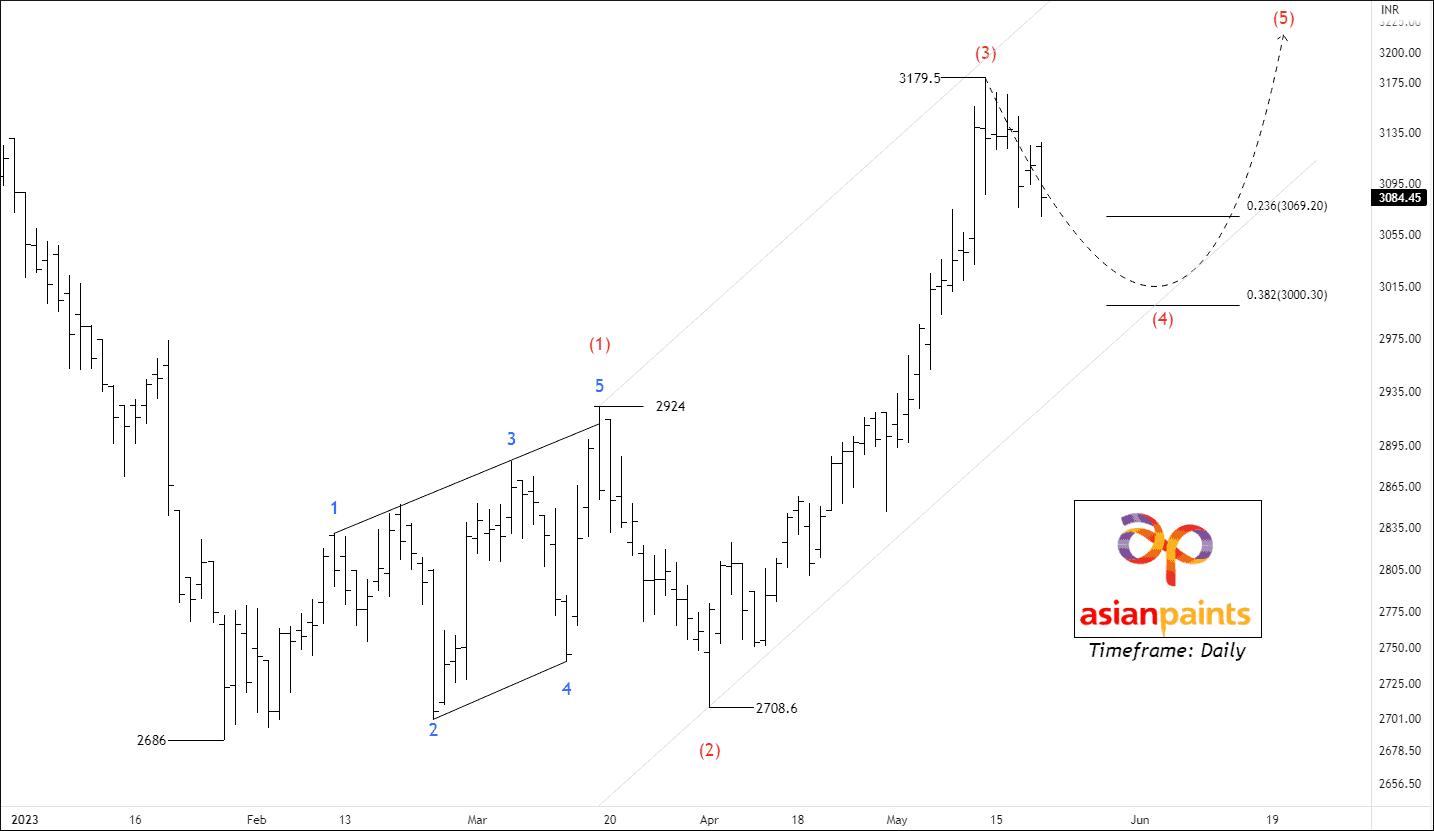
Traders will be notified once wave 4 has been completed. Once wave 5 begins, traders can consider trading for the following targets: 3069 – 3142 – 3251+.
 Unlock This Article
 Continue reading
 BEFORE
 AFTER
AFTER